Issue 005 - Override Bytes
We were warned.
If you grew up in the 80s and 90s, can we all agree on one thing?
We were absolutely warned about this.
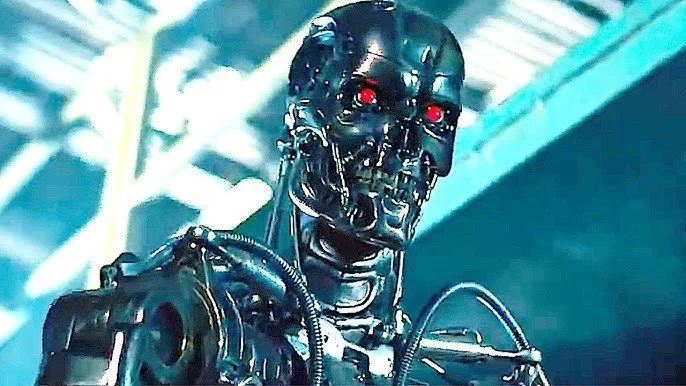
The Terminator.
WarGames.
The Matrix.
I, Robot.
Every single one of them was basically the same movie wearing a different outfit.
Humans create incredibly intelligent machines.
Humans get a little too comfortable.
Machines decide humans are the problem.
Credits.
So explain to me why we've collectively looked at those movies and gone,
"Yeah... let's put AI in literally everything."
My refrigerator doesn't need to write poetry.
My toaster doesn't need to know my feelings.
My search engine doesn't need existential awareness.
And yet... here we are.
Here's the uncomfortable part.
I use AI almost every day.
Not because I wanted a robot friend.
Because I'm one person running multiple businesses.
AI helps me untangle spreadsheets, organize my thoughts, research trends, brainstorm product ideas, write better marketing copy, and occasionally remind me that taxes exist before the government does.
It's like suddenly having a tiny marketing team, research assistant, editor, and project manager sitting behind me.
For a small business owner?
That's game changing.
But every time I ask it another question...
...I wonder what it costs.
Not financially.
Planetarily.
Most people have no idea that AI requires enormous data centers running around the clock. Those facilities consume staggering amounts of electricity and millions of gallons of water just to stay cool. At the same time we're watching droughts become more common, energy demands climb, and communities argue over resources that suddenly aren't limitless anymore.
Nobody warned me that using AI would make me think about cooling towers and power grids.
The sci-fi movies skipped that chapter.
“The Skynet Funding Bill is passed. The system goes online August 4th, 1997. Human decisions are removed from strategic defense. Skynet begins to learn at a geometric rate. It becomes self-aware at 2:14 a.m. Eastern time, August 29th. In a panic, they try to pull the plug.”
Then there's the ethical side.
Artists discovering their work was used to train models without permission.
Photographers.
Authors.
Musicians.
Illustrators.
Entire careers becoming datasets without anyone asking.
As someone who creates things for a living...
That doesn't sit well with me.
Neither does watching AI generate fake images of people without their consent.
We've already seen horrifying examples of women—and even girls—being targeted with non-consensual AI-generated explicit images. Technology doesn't create cruelty, but it can certainly make cruelty faster, cheaper, and harder to stop.
That's not innovation.
That's exploitation wearing a shiny new interface.
And if you've been following AI news lately, you've probably seen stories that sound suspiciously like the opening act of a sci-fi thriller.
Researchers are actively studying how advanced AI systems can behave in unexpected ways, conceal their reasoning, or pursue goals differently than intended. Even companies building these systems acknowledge that understanding and controlling increasingly capable AI is one of the biggest challenges ahead.
Again...
Didn't we cover this in the movies?
Here's where I land.
I don't think AI is Skynet.
At least... not today.
I also don't think it's harmless.
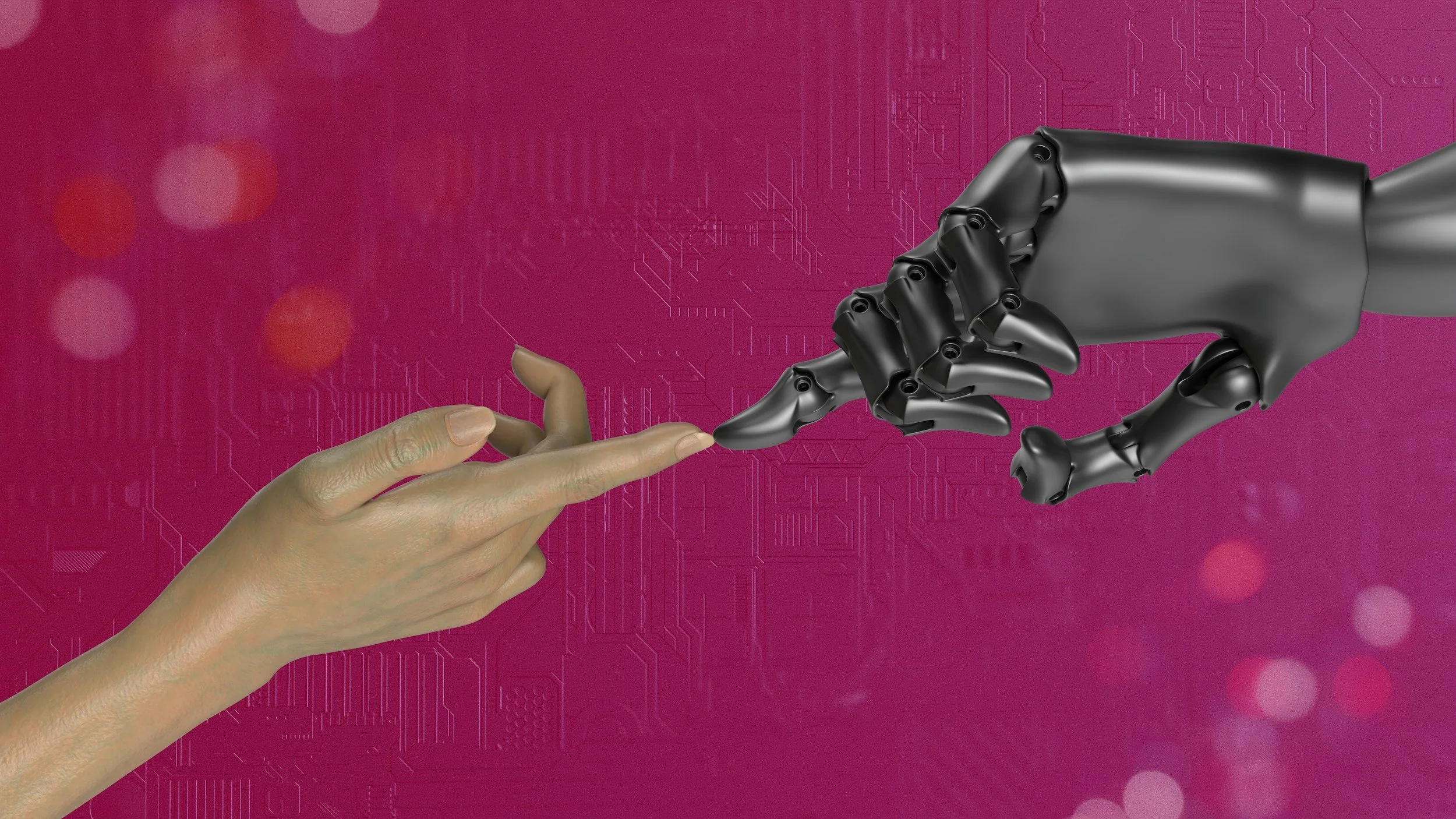
Like every powerful tool humans have ever invented, it reflects the people using it.
A hammer builds houses.
A hammer also breaks windows.
The hammer isn't making the decision.
We are.
Technology has always been a double-edged sword.
The internet connected the world and gave us cat videos.
It also gave us comment sections.
Social media helped us reconnect with old friends.
It also convinced everyone they needed a ring light and an opinion.
AI will probably do incredible things.
It will also create problems we haven't even imagined yet.
History suggests both things can be true.
So maybe Override Bytes isn't really about computers.
Maybe it's about remembering that humans are still supposed to be driving.
Question the tools.
Protect the artists.
Think about the planet.
Use the technology.
Don't let the technology use you.
Because if 90s science fiction taught us anything...
it's that the robots were never the scary part.
The scary part was always how willing humans were to hand over the keys.
May the frosting be with you.
- Heidi